person
Interpreting 'Abnaki': The Presence of a Guiding Figure
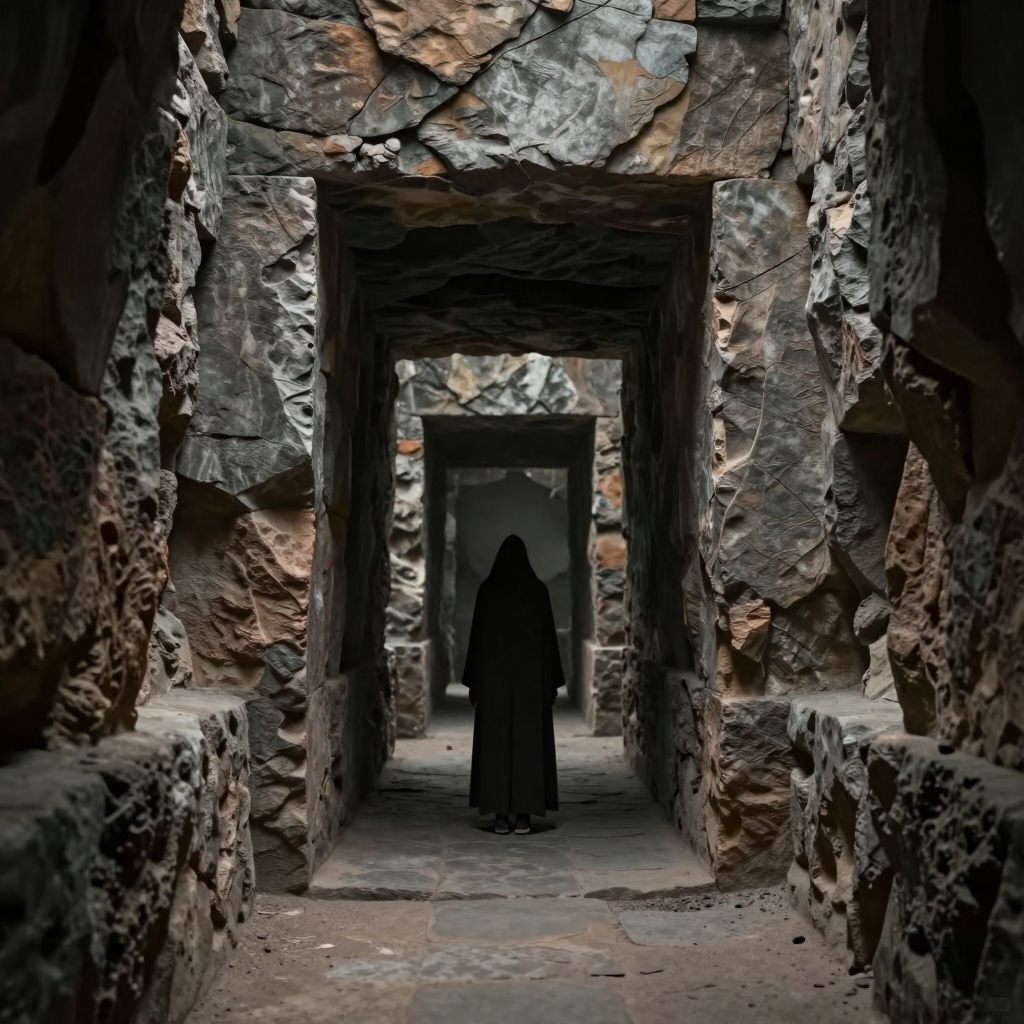
When 'Abnaki' appears as a person in a dream, it rarely represents a literal individual. Instead, it often embodies an aspect of the self, a necessary relationship, or an unconscious guide whose presence or absence is critical to your current waking life journey.
Symbolic meaning
Abnaki symbolizes an integrated part of your psyche—a quality, a responsibility, or a relationship dynamic that requires your attention. This figure acts as a mirror, reflecting aspects of your character or life situation you are currently processing.
Practical meaning
If the figure is helpful or supportive, it suggests you possess the inner resources to navigate a current challenge. If they are causing distress, it signals an unaddressed aspect of yourself or a relationship pattern that needs conscious examination.
Psychology explanation
The appearance of this archetype suggests a stage of psychological integration. Your subconscious is using this figure to help you bridge a gap between your current reality and your potential self, urging you toward wholeness.
Frequently asked
What does dreaming about abnaki usually mean?
When 'Abnaki' appears as a person in a dream, it rarely represents a literal individual. Instead, it often embodies an aspect of the self, a necessary relationship, or an unconscious guide whose presence or absence is critical to your current waking life journey. Abnaki symbolizes an integrated part of your psyche—a quality, a responsibility, or a relationship dynamic that requires your attention. This figure acts as a mirror, reflecting aspects of your character or life situation you are currently processing.
Is a abnaki dream positive or negative?
If the figure is helpful or supportive, it suggests you possess the inner resources to navigate a current challenge. If they are causing distress, it signals an unaddressed aspect of yourself or a relationship pattern that needs conscious examination. The appearance of this archetype suggests a stage of psychological integration. Your subconscious is using this figure to help you bridge a gap between your current reality and your potential self, urging you toward wholeness.
Why might abnaki appear repeatedly in dreams?
The appearance of this archetype suggests a stage of psychological integration. Your subconscious is using this figure to help you bridge a gap between your current reality and your potential self, urging you toward wholeness. Repetition often points to unresolved attention, habit, fear, or emotional processing linked to abnaki.
Dream interpretation is highly personal. This analysis offers potential psychological frameworks and is not a definitive diagnosis of your waking life.