body
Acaphnia: The Dream of Suppressed Breath and Unspoken Truth
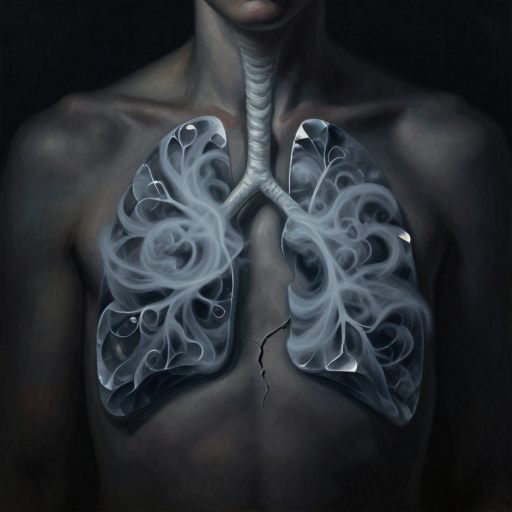
When 'Acaphnia' appears in a dream context, it rarely relates to a literal breathing issue. Instead, it is a powerful somatic metaphor for a feeling of being choked, overwhelmed, or unable to express oneself fully in waking life. It signifies a psychological pressure cooker where emotional needs are being suppressed.
Symbolic meaning
The inability to breathe freely symbolizes a severe restriction in emotional or intellectual expression. It represents feeling unheard, unheard, or trapped by circumstances that demand a response you cannot muster.
Practical meaning
The dream urges you to identify what in your current waking life is causing you to hold your breath—be it a difficult conversation, a major life decision, or a pattern you refuse to address. It is a call for mental decompression.
Psychology explanation
Acaphnia often correlates with high levels of anxiety and the unconscious mind's attempt to process emotional overload. The body's inability to breathe in the dream mirrors the conscious mind's inability to process or release tension.
Frequently asked
What does dreaming about acapnia usually mean?
When 'Acaphnia' appears in a dream context, it rarely relates to a literal breathing issue. Instead, it is a powerful somatic metaphor for a feeling of being choked, overwhelmed, or unable to express oneself fully in waking life. It signifies a psychological pressure cooker where emotional needs are being suppressed. The inability to breathe freely symbolizes a severe restriction in emotional or intellectual expression. It represents feeling unheard, unheard, or trapped by circumstances that demand a response you cannot muster.
Is a acapnia dream positive or negative?
The dream urges you to identify what in your current waking life is causing you to hold your breath—be it a difficult conversation, a major life decision, or a pattern you refuse to address. It is a call for mental decompression. Acaphnia often correlates with high levels of anxiety and the unconscious mind's attempt to process emotional overload. The body's inability to breathe in the dream mirrors the conscious mind's inability to process or release tension.
Why might acapnia appear repeatedly in dreams?
Acaphnia often correlates with high levels of anxiety and the unconscious mind's attempt to process emotional overload. The body's inability to breathe in the dream mirrors the conscious mind's inability to process or release tension. Repetition often points to unresolved attention, habit, fear, or emotional processing linked to acapnia.
This interpretation is reflective and symbolic. It is not a medical diagnosis or a literal account of physical health. Consult a professional for physical concerns.