body
The Body's Silent Language: Interpreting the Accessory Nerve in Dreams
When the accessory nerve appears in a dream, it rarely signifies a literal physical issue. Instead, it serves as a powerful metaphor for the body's complex communication system—the way our mind translates emotional strain, stress, and unspoken tension into physical sensations or mental blockages.
Symbolic meaning
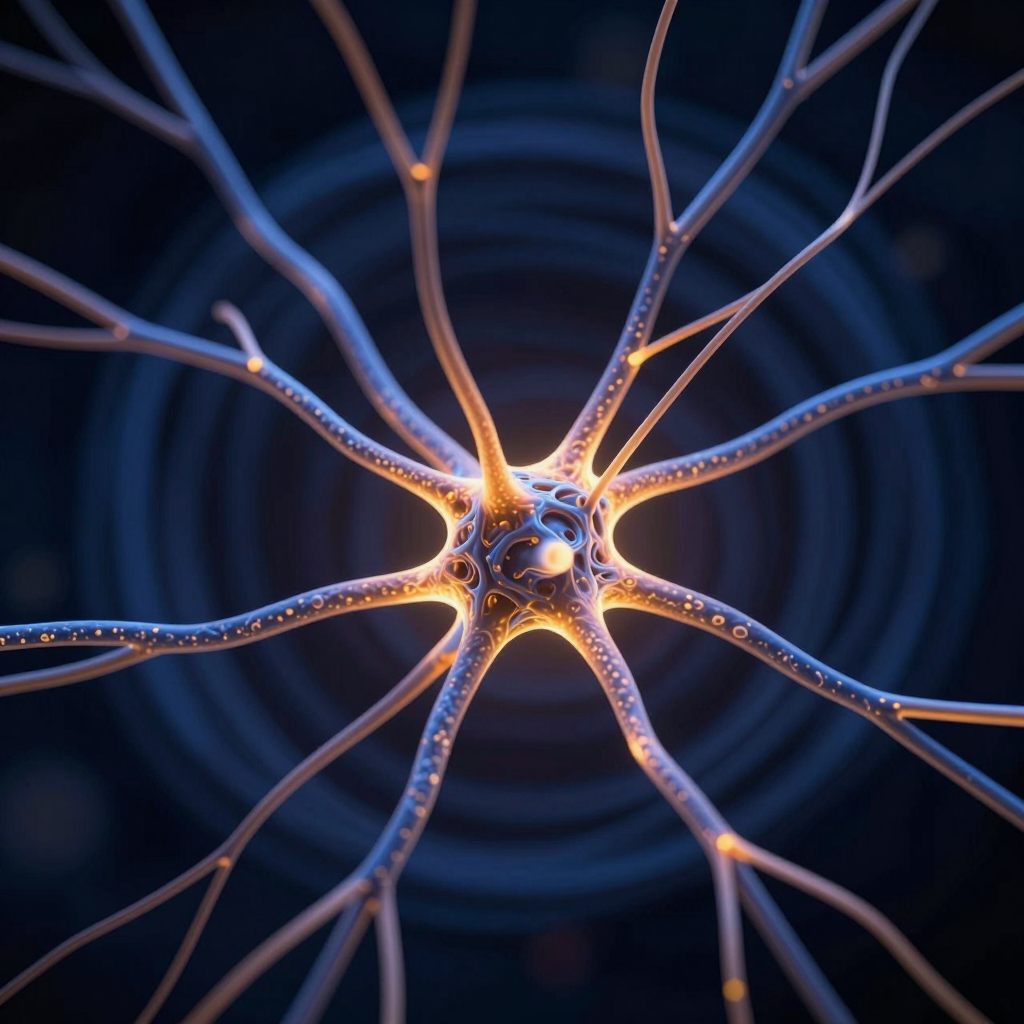
The nerve represents the critical pathway between conscious thought and subconscious feeling. Its presence suggests an important, often ignored, signal attempting to bridge the gap between your emotional state and your physical reality. It is the body's attempt to send a message.
Practical meaning
Pay close attention to the small, nagging sensations in your waking life. The dream is urging you to acknowledge subtle signals—be they physical discomfort, persistent tightness, or a feeling of being 'stuck'—before they escalate into overwhelming crises.
Psychology explanation
Dreams involving bodily signals often reflect somatization, where psychological stress manifests physically. The accessory nerve acts as a symbol for the body's attempt to externalize internal, unprocessed emotional data that the conscious mind is struggling to articulate.
Frequently asked
What does dreaming about accessory nerve usually mean?
When the accessory nerve appears in a dream, it rarely signifies a literal physical issue. Instead, it serves as a powerful metaphor for the body's complex communication system—the way our mind translates emotional strain, stress, and unspoken tension into physical sensations or mental blockages. The nerve represents the critical pathway between conscious thought and subconscious feeling. Its presence suggests an important, often ignored, signal attempting to bridge the gap between your emotional state and your physical reality. It is the body's attempt to send a message.
Is a accessory nerve dream positive or negative?
Pay close attention to the small, nagging sensations in your waking life. The dream is urging you to acknowledge subtle signals—be they physical discomfort, persistent tightness, or a feeling of being 'stuck'—before they escalate into overwhelming crises. Dreams involving bodily signals often reflect somatization, where psychological stress manifests physically. The accessory nerve acts as a symbol for the body's attempt to externalize internal, unprocessed emotional data that the conscious mind is struggling to articulate.
Why might accessory nerve appear repeatedly in dreams?
Dreams involving bodily signals often reflect somatization, where psychological stress manifests physically. The accessory nerve acts as a symbol for the body's attempt to externalize internal, unprocessed emotional data that the conscious mind is struggling to articulate. Repetition often points to unresolved attention, habit, fear, or emotional processing linked to accessory nerve.
Dream interpretation is a subjective, reflective exercise. This analysis is intended for self-exploration and should not replace professional medical or psychological advice.